



News
| Announcements

Facebook lead generation:
lead forms or website leads?

A brass sieve holding a few dark grains on a pale grey surface

Facebook lead generation works when Meta is told what a good lead looks like.

Lead forms are cheaper per lead but attract more people who never pick up. Website leads cost more but are usually better qualified. The best accounts use both, and feed the results back to Meta.

River channels converging into one main channel, seen from above at dusk

Most businesses running Meta ads for leads hit the same wall. Leads look cheap in Ads Manager, but the sales team says half of them are junk.

The cause is rarely the ad. It is what the campaign is told to optimise for.

Cheap leads are only cheap if they turn into customers. The accounts that win tell Meta what a customer looks like, not what a form fill looks like.

Lead forms or your website?

Two ways to capture a lead on Meta, each with a different trade off.
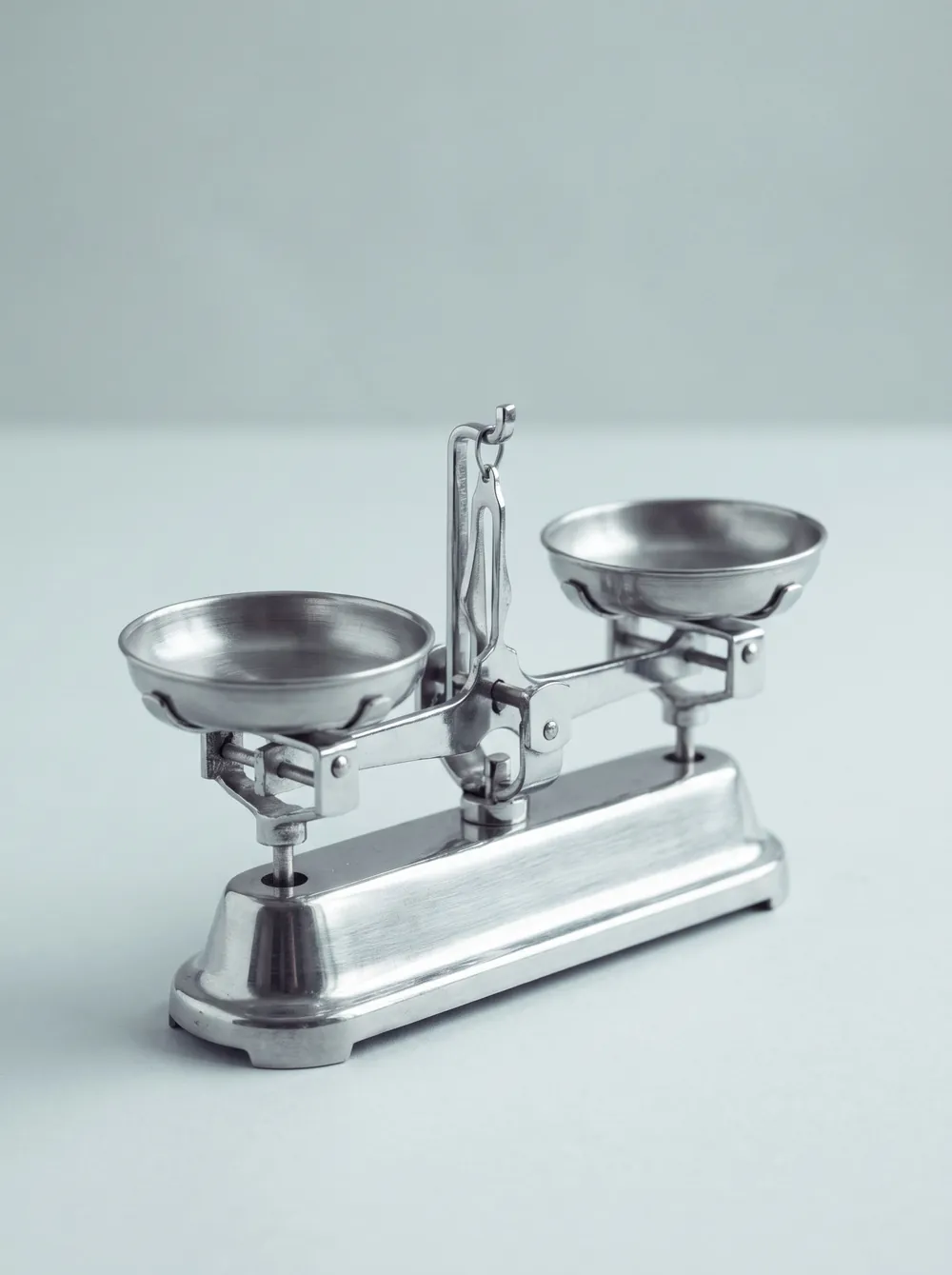
A chrome balance scale with two level pans

Lead forms

Instant forms open inside Facebook or Instagram and fill in the person's details for them.

  • Fast to submit
  • Lower cost per lead
  • Easy to submit without much thought
A chrome valve with a round handwheel against a pale wall

Website leads

Ads send people to a landing page on your site, where they read and choose to enquire.

  • Fewer people finish
  • Higher cost per lead
  • Stronger intent, usually worth it for high value services
Judge both on cost per qualified lead or cost per sale, never on cost per lead alone.
Quality
How to stop paying for junk leads

Lead quality is set by what the campaign learns from. Five changes make the biggest difference:

  • Use the higher intent form setting. It adds a review step before someone submits.
  • Ask one or two qualifying questions. Budget, timing or location filter out the wrong fit.
  • Connect the form to your CRM. Every lead lands where sales can act on it.
  • Send outcomes back to Meta. Optimise for conversion leads, not raw form fills.
  • Call every lead within minutes. Speed to lead matters more than any targeting setting.

These steps trade a slightly higher cost per lead for far more leads that become customers. That is the trade every growing business should make. Our Meta ads agency page shows how we run it, and first party data for Meta ads covers the tracking behind it.

Proof

What it looks like in practice

A luxury events business in New York and Boston rebuilt its Meta account around the people who actually booked.
The result
01.
383 leads at US$28.38 each
02.
Leads up 109% from one quarter to the next
03.
Cost per lead down 49% on 6.6% more spend
04.
A call first process that books 14 to 17% of enquiries
05.
Twice the leads for every dollar spent

A steel horseshoe magnet drawing an arc of iron filings

Facebook lead generation in short

Lead forms are cheaper and faster. Website leads are better qualified. Feeding real sales data back to Meta is what improves both.

Tell Meta what a customer looks like, not what a form fill looks like.
Compare
Lead forms vs website leads

How the two approaches usually compare for a service business.

Lead forms/Lower cost per lead/More leads, more mixed quality/Fastest to launch/Best with qualifying questions and CRM feedback
Website leads/Higher cost per lead/Fewer leads, stronger intent/Needs a landing page built to convert/Best for high value services
Start with the approach that matches what a customer is worth, then test the other.
Cost per lead is a starting point. Cost per customer is the answer.
The setup

A five step setup that works

The order matters more than any single setting.

1. Track every lead

Every lead reaches the CRM with its source attached.

2. Define a qualified lead

Write down what a good lead looks like, so everyone judges the same way.

3. Build to filter

Shape the form or landing page to attract that lead and screen out the rest.

4. Feed results back

Send qualified leads and sales to Meta through the Conversions API.

5. Review weekly

Watch cost per qualified lead every week, and scale only what holds.

The lead is the start of the sale, not the result.
Leads or sales
Lead campaigns or sales campaigns?

The objective you choose decides who Meta shows your ads to.

Choose a leads objective if/You sell a service that needs a conversation/Your sale happens off the website/You can call or email leads quickly
Choose a sales objective if/People can buy on your website/Your checkout is tracked with the pixel and Conversions API/You want Meta to find buyers, not enquirers
Lead campaigns that feed sales data back to Meta behave more like sales campaigns over time.
The verdict
River channels converging into one main channel at dusk

Do Facebook lead ads work?

Yes, when they are built for quality. Facebook and Instagram reach people before they search, which makes Meta the strongest channel for creating demand.

The businesses that win treat the lead as the start of the sale. They qualify it, call it fast and tell Meta which ones became customers. For capturing demand once people do search, see our Google Ads agency, and for both working as one system, our lead generation services.

A single sailboat on a calm grey sea

Want leads that turn into customers?

Tell us where the business is heading and we will map what a connected marketing system looks like for it.
Start a project